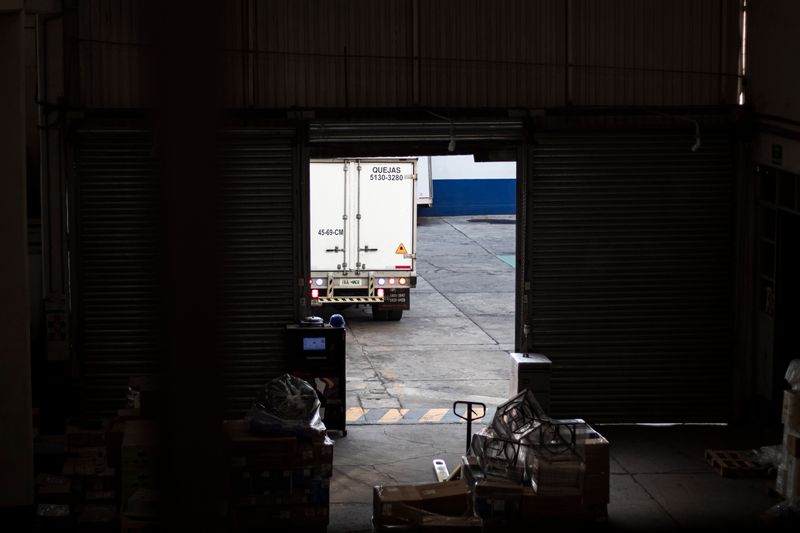

October rates punish late planners. Every year the same pattern repeats: retail volumes climb from late September, spot rates follow, and shippers who left trunking to the market pay a 20–30% premium for worse service. The fix is unglamorous — book early, in writing.
Contract the base, flex the peak
Your steady weekly volume should be contracted by August at fixed rates. Only the surge above that baseline belongs on the spot market. This split keeps carriers committed to your core lanes while giving you room to flex up without renegotiating everything.
Share the forecast, get the fleet
A carrier that sees your October–December forecast commits drivers and trailers months out. Send lane-level volumes, peak weeks and delivery windows — the hauliers who get data give priority.
- Lock core-lane rates by the end of August
- Pre-book 20% headroom on your three busiest corridors
- Agree relief-driver and weekendworking terms up front
Trial-run in September
Run new peak routes at least once before the surge. A September trial exposes the tight delivery window, the awkward access road and the understaffed depot — while there is still time to fix all three.
Planning next peak already? Talk to a broker — we build peak capacity plans from July onwards.