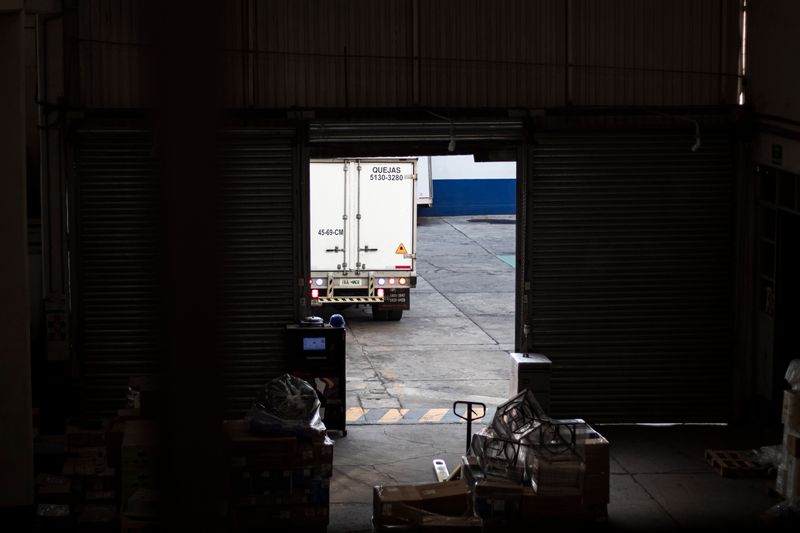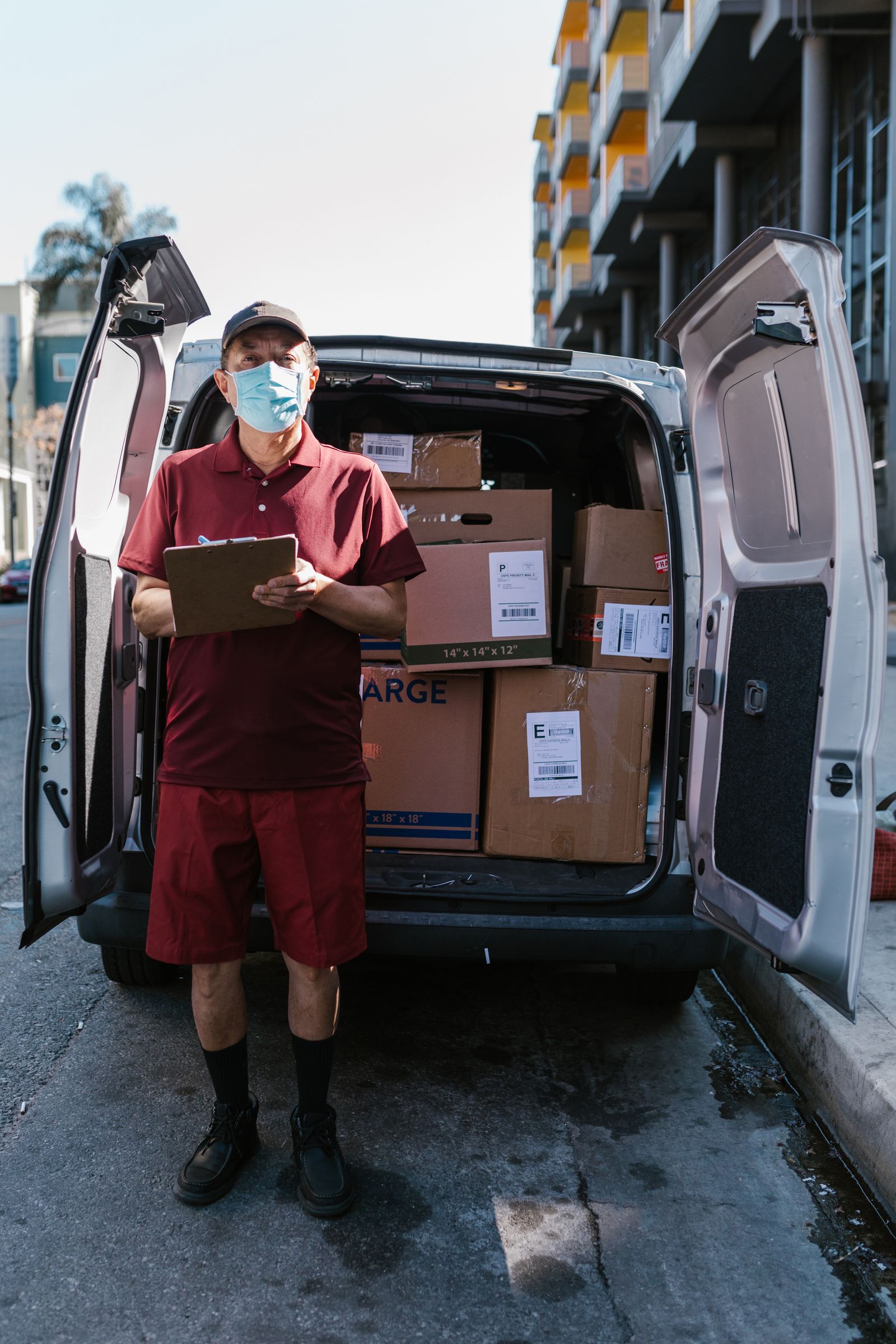

Urban drops live or die on sequencing. The last mile is the most expensive mile in logistics — nearly half the cost of the whole journey sits in the final few postcodes. Our planners run city rounds at 98% first-time success, and the method is mostly discipline.
Sequence by constraint, not by postcode
Tightest delivery windows go first on the plan, then timed access restrictions, then pure geography. A route that honours constraints before distance fails less often than the mathematically shortest one — because cities are not mathematics.
Load the van in reverse
First drop closest to the doors, heaviest items over the axle, cages sequenced to the manifest. Ten minutes of proper loading saves an hour of kerbside sorting and most of the damage claims.
- Cap urban rounds at 90–110 drops to protect service levels
- Stage timed deliveries in a separate, clearly marked cage
- Give drivers live customer contact details, not depot numbers
Offer the customer a narrower promise
Failed deliveries are usually failed expectations. Two-hour windows with live tracking beat all-day promises on every metric that matters — cost per drop, NPS and redelivery rates alike.
Running multi-drop rounds in London or the South East? Get a last-mile rate — daily, weekly or seasonal rounds welcome.